
Displaying items by tag: blue ridge parkway controversy
Editorial: On the Blue Ridge Parkway, fire is far from the biggest threat
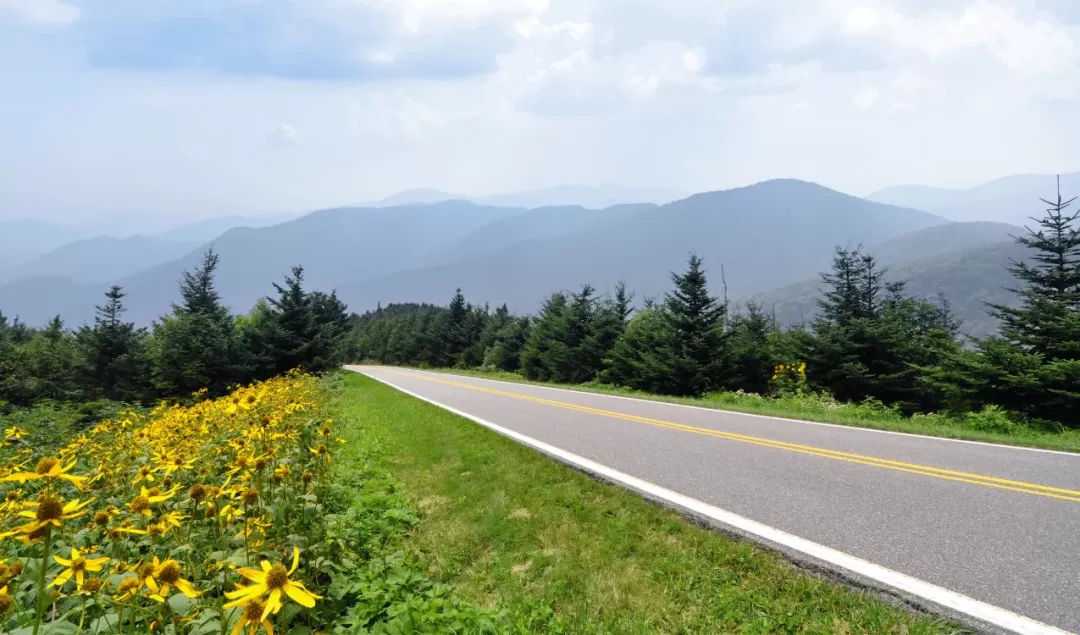 Conservationists are sounding the alarm about a National Park Service plan to cull trees in the name of fire prevention along the Blue Ridge Parkway. Groups such as MountainTrue and Defenders of Wildlife urge the public to speak out against the plan. MountainTrue
National Park Service declares 'emergency' to circumvent public input on a wasteful intrusion into Parkway environs
Sally Watanabe is the Asheville summer intern with Defenders of Wildlife.
ASHEVILLE —This summer, visitors to the Blue Ridge Parkway might spot a bobcat – not the kind you’d hope to see on vacation, but the kind with a diesel engine and hydraulic arm. If the National Park Service (NPS) executes its plan to use heavy machinery in removing downed trees from nearly 3,000 acres of Parkway land, it will have damaging effects on recovering ecosystems and create more long-term harm than good. There are alternative ways to address fire risk that are better suited to protect the wellbeing of all communities, and NPS needs to reevaluate the project before it causes unnecessary and irreversible impacts.
Starting in August, NPS plans to conduct what it calls “hazardous fuel reduction” to remove trees, bulldoze roads into hillsides, and clear areas of up to 5,000 square feet for log landing sites. The main concern driving this project is fire risk, especially to homes within proximity to the Parkway. Indeed, extended drought conditions have left the landscape drier than usual, but the majority of large debris left over is not the real threat.
Fire science tells us that dead wood larger than 8 inches in diameter takes 10,000+ hours of sustained drought to lose most of its moisture, so the massive downed trees far from roads are poor candidates for ignition. While large logs left to decompose actually absorb moisture and provide habitat for wildlife, smaller snags and debris closer to the forest edge pose greater fire risk. The vague plan raises many questions while also sidelining local conservation groups trying to support the project with data and recommendations.